
In the fields of biopharmaceuticals, cosmetics, and nutritional health, peptide raw materials are becoming the core of new product development due to their precise biological activity and high targeting capabilities. However, as compounds formed by amino acids linked by peptide bonds, the structural complexity of peptides demands an exceptionally high standard for manufacturing. Establishing a rigorous Quality Control (QC) system in a modern peptide manufacturing facility is not only the baseline for production but also the deciding factor in ensuring the safety and efficacy of the final product.
1. Ensuring Structural Accuracy and Activity
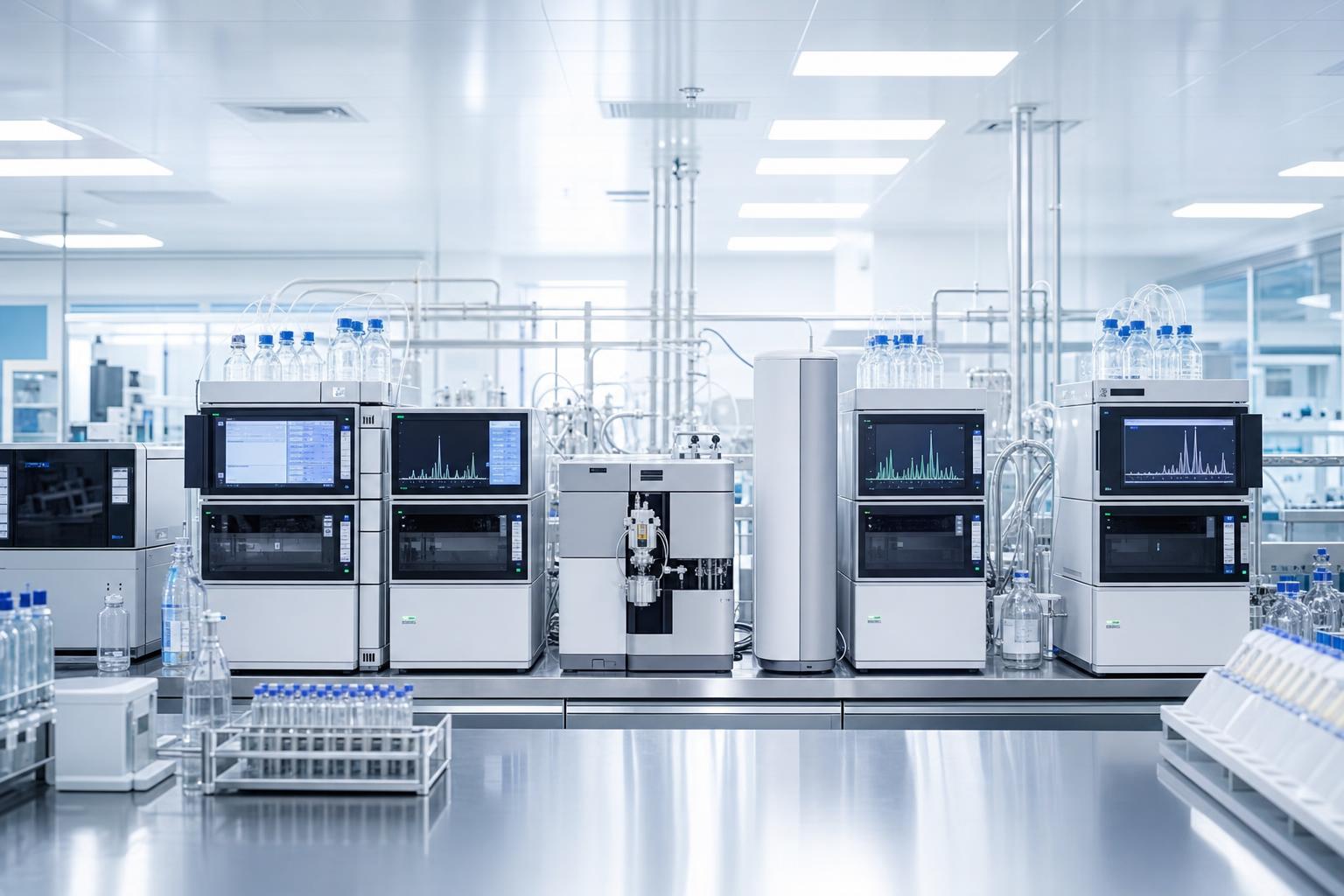
The biological function of a peptide depends entirely on its specific amino acid sequence and three-dimensional spatial structure. During the synthesis process (such as solid-phase synthesis or biological fermentation), any minor deviation—such as incomplete coupling, mismatching, or improper folding of amino acids—will result in byproducts. By utilizing precision instruments like Mass Spectrometry (MS) and high-purity chromatography, the quality control team rigorously verifies the molecular weight and characteristic peaks of every single batch. This ensures that every gram of peptide delivered possesses the correct structure, allowing it to perform its physical and chemical properties consistently in subsequent applications.
2. Eliminating Residual Impurities to Build a Safety Barrier
Peptide production generally involves various chemical reagents, organic solvents, catalysts, or bacterial proteins from biological fermentation. One of the critical tasks of quality control is to ensure that residual impurities following the purification process are reduced below compliant regulatory standards. Through strict control workflows, the facility quantitatively tests for heavy metals, moisture, residual solvents, and endotoxins. This effectively prevents adverse reactions such as allergies in end-users while mitigating potential quality and compliance risks for brand owners.
3. Maintaining Batch-to-Batch Consistency to Support Commercial Mass Production
Moving from laboratory scale and pilot testing to kilogram- or even ton-level mass production makes the scaling process highly susceptible to quality fluctuations between batches. A comprehensive quality control system implements full-process data traceability management, with Standard Operating Procedures (SOPs) governing everything from raw material intake testing and In-Process Control (IPC) to final product release testing. This continuous monitoring enables the timely detection and correction of anomalies during production, ensuring that products from different batches and production timelines remain highly consistent in purity, solubility, and appearance, thereby providing a solid guarantee for long-term supply chain stability.
Related Posts
- ▶ How Do Global Buyers Verify the Production Capacity of a Peptide Facility?
- ▶ Why Do Researchers Prefer Cooperating Directly with Peptide Facilities?
- ▶ What Certifications Should a Peptide Manufacturer Possess?
- ▶ How Does a Reliable Peptide Facility Ensure Product Consistency?
- ▶ How Does a Professional Peptide Facility Manufacture Custom Peptides?
- ▶ Why Quality Control is Essential in a Peptide Manufacturing Facility ?